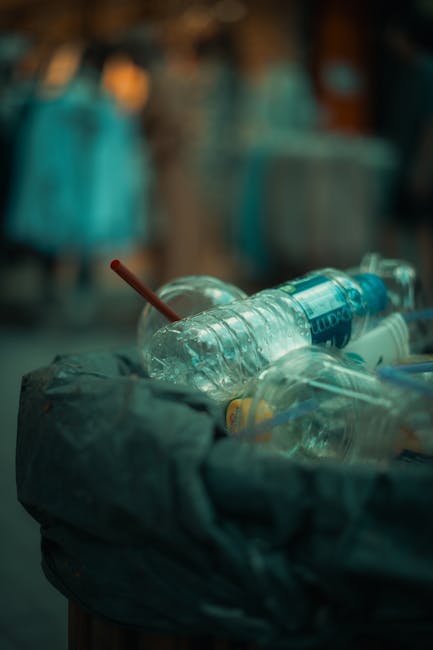
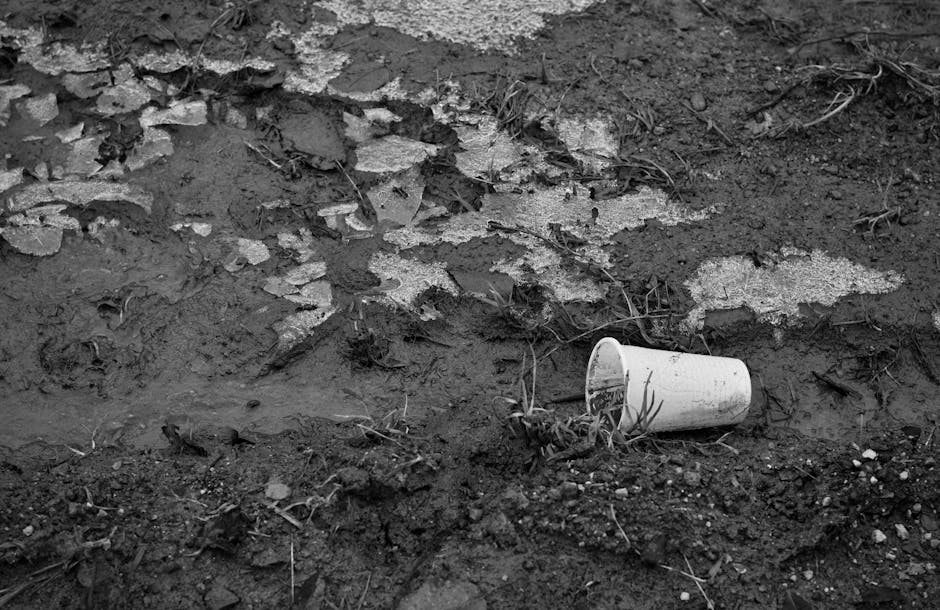
Walthamstow Wetlands: Litter rules & disposal tips
Walthamstow Wetlands is one of those places that rewards a little care. Bring the right picnic, keep your bin choices sensible, and the whole visit stays calm, clean, and enjoyable. Bring the wrong habits, and litter becomes everyone's problem within minutes.
This guide explains the practical side of Walthamstow Wetlands: litter rules & disposal tips in plain English. You'll learn how to handle food packaging, drink containers, wipes, cigarette ends, dog waste, and bulky rubbish before, during, and after your visit. It also covers responsible disposal options, common mistakes to avoid, and when a professional clearance or waste removal service might make life easier. If you are planning a tidy-up at home before heading out, the sustainability advice on recycling and sustainability is also worth a look.
Most people do not mean to cause a mess. They simply underestimate how quickly a small bag of rubbish turns into a nuisance on a windy path or beside a viewing platform. The good news? A few simple habits solve most of it.
Table of Contents
- Why litter rules matter at Walthamstow Wetlands
- How litter disposal works in practice
- Key benefits of getting disposal right
- Who this guidance is for
- Step-by-step guidance for visitors
- Expert tips for cleaner visits
- Common mistakes to avoid
- Tools, resources and recommendations
- Law, compliance, standards, and best practice
- Options, methods, and comparison table
- Case study or real-world example
- Practical checklist
- Conclusion
- Frequently asked questions
Why Walthamstow Wetlands: Litter rules & disposal tips Matters
Walthamstow Wetlands is not just another walk in the park. It is a managed natural space, a visitor destination, and a habitat that depends on visitors behaving thoughtfully. Litter affects all three. A crisp packet on a path may seem harmless, but a gust of wind, some rain, or a curious bird can move it quickly into the wider environment.
There is also a very practical side. Cleaner spaces are safer spaces. Loose rubbish can attract pests, create slip hazards, block drains, or end up near water where it is harder to retrieve. Once litter leaves your hand, the journey to "somewhere later" often turns into "somewhere worse."
That is why disposal planning matters before you even arrive. If you know where packaging, leftover food, drinks, and wipes will go, you are much less likely to leave anything behind. It sounds basic because it is basic. But that is usually where good outdoor behaviour starts.
Expert summary: The simplest litter strategy is the best one: carry less waste in, separate anything messy, and take everything home unless you see a clearly designated bin and know it is appropriate to use it.
For larger clean-outs or pre-visit decluttering, many readers also find it useful to compare a house clearance or home clearance approach, especially when they are trying to get rid of accumulated packaging, broken items, or garden debris before a day out.
How Walthamstow Wetlands: Litter rules & disposal tips Works
The rules are usually simple in spirit even when signage varies from place to place: don't drop litter, don't leave waste behind, and use the right disposal route. What changes from site to site is the practical detail. Some venues provide bins only in certain areas. Others discourage certain waste streams because they create overflow, contamination, or animal attraction.
At Walthamstow Wetlands, the sensible approach is to treat the area as a place where you are expected to be self-sufficient. That means arriving prepared, carrying a reusable bag for waste, and taking your rubbish with you if there is any uncertainty about local bin availability. If you brought food, bring a second bag for scraps and packaging. If you brought drinks, make sure cans and bottles do not end up rolled under a bench or tucked behind a wall "for later." Later rarely comes.
Here is the practical rhythm:
- Before you go: reduce packaging at source where possible.
- During the visit: keep waste contained in a bag, pocket, or small container.
- Before leaving: check seating areas, pushchairs, picnic spots, and jacket pockets.
- After the visit: sort recyclables and general waste at home or at an appropriate facility.
If you are dealing with a lot of household waste after a clear-out, a service such as furniture disposal or garage clearance may be more suitable than trying to make multiple trips with small loads. It is often less stressful, and frankly, less likely to result in a half-finished job.
Key Benefits and Practical Advantages
Good litter discipline is not only about being polite. It also gives you a better day out, smoother logistics, and fewer avoidable problems.
- You reduce the risk of accidental dropping. Once waste is packed away, the chance of it blowing across a path drops sharply.
- You avoid attracting wildlife to unsuitable food scraps. Feeding wildlife is not the same as leaving waste for wildlife.
- You keep your hands cleaner and your bag tidier. A spare liner or sealable pouch is a small win that matters.
- You make the site more pleasant for everyone. Nobody enjoys stepping around abandoned wrappers.
- You set a good example for children and guests. Outdoor habits are learned by repetition, not lectures.
There is also a mental benefit that gets overlooked. A tidy visit tends to feel calmer. You are not constantly checking whether something fell out of your pocket or whether that coffee cup lid is about to escape. Clean habits simplify the day.
If you manage a business or community group visit, waste planning becomes even more valuable. For larger teams or repeated site-related waste, business waste removal and office clearance services can help remove clutter from your own premises before an outing or event.
Who This Is For and When It Makes Sense
This guidance is useful for a wide range of visitors. If you are planning a solo walk, the advice helps you avoid leaving accidental litter behind. If you are bringing family, it helps keep the outing smooth when snacks, tissues, bottles, and odd bits of packaging start to accumulate.
It is especially relevant if you are:
- bringing a picnic or takeaway food
- visiting with children
- walking a dog and carrying waste bags
- organising a community stroll or meetup
- on a photography, cycling, or birdwatching visit where you may stay for several hours
- tidying a nearby home, flat, garden, or garage before a visit and need to dispose of waste responsibly
Some people only think about disposal once the bin is full. That is a late-stage problem. A better approach is to decide at the start: what stays with me, what goes home, and what can be recycled later. That decision alone prevents most messy situations.
For residents doing a broader clear-out, service pages like flat clearance, loft clearance, and garden clearance can be useful when rubbish has built up beyond what household bins can handle.
Step-by-Step Guidance
If you want a simple, repeatable method, use this one. It is not fancy, but it works.
1. Pack lightly and avoid excess packaging
Choose reusable bottles, reusable containers, and snack portions that create less waste. A sandwich in a container is easier to manage than half a dozen wrappers. The less loose rubbish you bring, the easier everything becomes.
2. Bring a dedicated litter bag
Use one small bag for all waste. If you expect food scraps, bring a second sealable bag for anything messy or odorous. This is especially helpful on warm days. Nobody wants a dripping banana skin in the bottom of a rucksack.
3. Keep recyclable items separate where practical
Separate bottles, cans, and clean cardboard from general waste if you can do so neatly. Do not overcomplicate it. If a recyclable item is heavily contaminated with food, it may be better treated as general waste rather than forcing a bad recycling habit.
4. Check your spot before leaving
Do a final sweep of benches, grass edges, under seats, and around bags or prams. The most common "I'll pick that up in a minute" items are also the ones most likely to get forgotten.
5. Take everything to the correct disposal point
If you are sure a bin is available and suitable, use it properly. If not, take waste home and sort it there. Where needed, use your household bins or local recycling options rather than leaving waste behind on-site.
6. Dispose of bulk rubbish separately
If you have a larger load after a clear-out, do not try to treat the wetland as a drop-off point for household clutter. That is where proper disposal planning matters. A professional clearance service can remove bulky items in one trip, which is often cleaner and simpler than improvising.
For example, if you are clearing out an old shed, the right next step may be builders waste clearance for mixed debris, or furniture clearance for larger unwanted items.
Expert Tips for Better Results
A few small habits make a big difference. These are the details many people skip, then wonder why rubbish management feels awkward.
- Use a container with a lid. It stops litter from escaping in a breeze and keeps smells contained.
- Keep a "wet waste" corner. Fruit peels, used tissues, and food scraps should stay in a sealed pouch if possible.
- Carry a spare bag. One bag is for rubbish, the other is for rubbish that won't fit neatly into the first.
- Plan for the return journey. What will you do with used napkins, wrappers, and disposable cups when you get back to the car or station?
- Don't rely on memory. A quick pocket check saves a lot of littering by accident.
One useful real-world trick: keep a small, empty zip bag in your coat throughout the week. It barely takes up space and can rescue you when there is no obvious bin nearby. Not glamorous, but then litter prevention rarely is.
If you manage waste at home on a larger scale, it can also help to understand the broader service picture. The guide on waste removal explains how mixed loads are commonly handled, while recycling and sustainability is a useful reference for making better disposal choices overall.
Common Mistakes to Avoid
Most litter problems come from a few predictable habits. Avoid these and you are already ahead.
- Leaving a bag "beside" the bin. If the bin is full or unsuitable, do not balance rubbish next to it.
- Assuming someone else will clear it. Public spaces are not a shared forgetfulness system.
- Overfilling flimsy bags. When a bag bursts, the cleanup doubles.
- Mixing food waste with clean recyclables. Contamination can make otherwise recyclable material harder to process.
- Dropping cigarette ends. They may be small, but they are still litter and can be a fire risk.
- Leaving dog waste bagged on the ground. Bagged waste still needs to be disposed of properly.
- Bringing more than you can manage. A giant picnic may look idyllic until there is nowhere sensible to put the waste.
A subtle but important mistake is thinking "it's just one item." If everyone does that, the site suffers. If only one person does it, they still leave a problem behind. The maths is not flattering.
Tools, Resources and Recommendations
You do not need specialist equipment to dispose of litter responsibly, but a few simple tools help a lot.
| Item | Why it helps | Best use |
|---|---|---|
| Reusable carrier bag | Holds waste securely and is easy to carry home | General litter and packaging |
| Seal-top bag | Contains food scraps and wet items | Picnics, fruit peels, tissues |
| Small handheld bin liner | Lightweight and easy to keep in a rucksack | Walks and short visits |
| Reusable bottle | Reduces disposable drink containers | Longer stays or warm weather |
| Portable wipes or hand sanitiser | Helps keep hands clean after waste handling | Family outings, dog walks |
For people who need a more complete waste solution at home, these service pages can help point you in the right direction: furniture disposal, home clearance, and house clearance. If you are comparing costs or want a clearer picture of next steps, see pricing and quotes.
Law, Compliance, Standards, and Best Practice
This topic sits within everyday public-space etiquette, but there is a compliance angle too. In the UK, littering is generally treated as an offence in public places, and local authorities may enforce their own rules and penalties. You do not need to memorise legislation to act correctly; the practical standard is straightforward: do not leave rubbish where it does not belong.
Best practice at a managed visitor site usually means:
- following any site signage and staff instructions
- using bins only for waste they are intended to hold
- not leaving bulk waste, sharp objects, or hazardous items in public spaces
- keeping food waste contained so it does not attract pests or wildlife
- respecting conservation-sensitive areas, waterways, and footpaths
If you are disposing of waste at home or through a contractor, trustworthy operators should also work with basic safety and handling standards. You can review practical commitments through pages such as health and safety policy and insurance and safety. These are not just formalities; they are a good sign that the service takes risk seriously.
For readers who care about disposal ethics and responsible handling, modern slavery statement and about us can also provide reassurance about the values behind the service. And if you ever need to ask a direct question, the contact us page is the right place to start.
Options, Methods, and Comparison Table
Not every disposal situation needs the same approach. A quick comparison helps you choose the simplest sensible route.
| Method | Best for | Pros | Limitations |
|---|---|---|---|
| Carry waste home | Small visitor litter, picnic leftovers, wrappers | Reliable, low-risk, works anywhere | Requires a bit of planning |
| Use an on-site bin | Light, accepted waste where suitable bins are available | Convenient, fast | Depends on bin availability and capacity |
| Separate recycling at home | Clean cans, bottles, cardboard | Supports better sorting | Only practical if items stay clean |
| Book a clearance service | Bulky rubbish, mixed loads, post-clear-out waste | Efficient, removes a lot at once | Not necessary for simple day-visit litter |
As a rule, the smallest method that solves the problem is the best one. For a bottle and a sandwich wrapper, take it home. For a van load of unwanted items after clearing a garage or office, use a more formal disposal route.
Case Study or Real-World Example
Imagine a family arriving for a relaxed afternoon walk. They bring sandwiches, fruit, drinks, wipes, and a few snacks for the children. By the end of the visit, the rubbish has grown from "just a couple of wrappers" into a small but awkward mix of packaging and food scraps.
They do one thing differently from most rushed visitors: they bring two bags. One is for dry waste; the other is for anything damp or messy. At the end of the walk, they check the bench, the pram basket, and the car footwell before leaving. Everything goes home, where it can be sorted properly later. No litter left behind, no messy bag rolling around on the floor, no frantic search for a bin that may or may not be suitable.
The same logic works for bigger projects. A homeowner clearing a spare room might gather broken storage boxes, old chairs, and mixed rubbish. Instead of making several awkward trips, they arrange a suitable clearance service and keep the public space out of the equation entirely. If that sounds familiar, garage clearance and loft clearance are often the most relevant starting points.
In both cases, the principle is the same: plan the waste route before the waste exists. That small bit of forethought does most of the heavy lifting.
Practical Checklist
Use this quick checklist before and after your visit.
- Bring a reusable bag for all rubbish
- Pack a second sealable bag for food scraps or wet waste
- Minimise packaging before you leave home
- Carry a reusable bottle where possible
- Keep cigarette ends contained, never dropped
- Dispose of dog waste properly and promptly
- Check seating areas, bags, and pockets before leaving
- Take waste home if you are unsure about site bins
- Sort recyclables and general rubbish after the visit
- Use a professional clearance route for bulky or mixed household waste
Quick takeaway: if you can carry it in, you can usually carry it out. That one habit solves a surprising amount of the problem.
Conclusion
Walthamstow Wetlands works best when visitors treat litter as something to manage from the start, not something to fix at the end. A small amount of planning keeps the site cleaner, protects wildlife, reduces stress, and makes your visit feel more relaxed. The best disposal tip is still the simplest one: bring less waste, keep what you do bring contained, and take responsibility for it all the way home if needed.
If you are clearing out your home, garden, office, or storage space before a visit, choosing the right disposal route can make your life much easier. A sensible service can remove the pressure, save time, and keep larger waste streams out of public spaces where they do not belong.
Get a free quote today and see how much you can save.
Frequently Asked Questions
Can I throw rubbish away at Walthamstow Wetlands?
If a suitable bin is available and clearly intended for visitor waste, you may be able to use it. If not, the safest habit is to take your rubbish home and dispose of it there.
What should I do with food wrappers and drink containers?
Keep them in a small bag during your visit, then sort them at home. Clean cans and bottles may be recyclable depending on local collection rules, but soiled packaging often belongs in general waste.
Are dog waste bags allowed on site bins?
Where appropriate bins exist, bagged dog waste should be disposed of there or taken home if needed. Never leave bagged dog waste on the ground, even temporarily.
What if the bin is full?
Do not leave waste beside it. Carry the rubbish with you until you find a suitable bin or take it home. Overflowing bins are still not an invitation to dump waste nearby.
Can I bring a picnic to Walthamstow Wetlands?
Yes, many visitors do, but it is wise to bring a litter bag and plan for all waste before you sit down. Picnics create more packaging than people expect.
Is it okay to leave biodegradable items like apple cores?
It is better not to leave food scraps behind. Even natural waste can attract wildlife, create mess, or affect the visitor experience.
What is the best way to carry litter if I am walking for a long time?
Use a small sealable bag inside a backpack or coat pocket. For wet or smelly items, double-bag them so they do not leak or smell during the rest of the walk.
Do I need a professional waste service for a few bags of rubbish?
Usually not. Small visitor waste should be managed at home. Professional clearance makes more sense for bulky items, mixed loads, or larger clean-outs from a property or workplace.
What counts as bulk waste rather than ordinary litter?
Bulk waste usually means larger items such as furniture, broken household goods, shed contents, or mixed clear-out debris. Those items need a proper disposal route rather than public bins or open spaces.
How do I avoid making a mess with wet waste?
Separate it early. Use a sealable bag, keep it upright, and do not mix it with clean dry items. A small amount of preparation prevents most spill problems.
Are there good disposal options if I am clearing a house or garage before a visit?
Yes. Services such as house clearance, home clearance, and garage clearance are designed for those larger jobs that are awkward to move yourself.
Where can I find more information about responsible disposal and the company behind the service?
You can review the site's recycling and sustainability page, along with terms and conditions and the privacy policy if you want to understand the wider service framework.