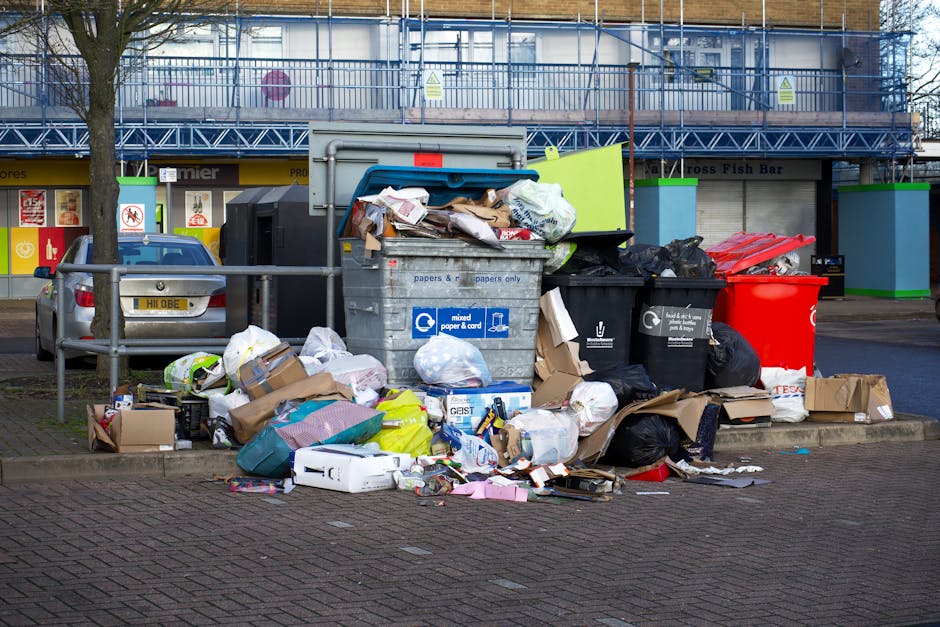
Waltham Forest Rubbish Removal Near Walthamstow Station: A Practical Local Guide
If you are looking for Waltham Forest rubbish removal near Walthamstow station, chances are you want the job done quickly, cleanly, and without turning your day into a small logistical drama. Fair enough. Whether it is a single bulky sofa, post-renovation rubble, or a flat full of mixed clutter that has quietly taken over the hallway, the right rubbish removal service should make the whole thing feel straightforward.
That sounds simple, but anyone who has tried to move waste through a busy London street near a station knows there are a few moving parts: access, timing, parking, sorting what can be reused, and making sure waste is handled properly. This guide breaks it all down in plain English. You will learn how the service works, what to expect near Walthamstow station, how to choose the right option, what mistakes to avoid, and when a specialist clearance service is the best fit.
For a broader look at the company's approach to removals, you may also find waste removal services in Waltham Forest and the company's recycling and sustainability approach helpful when comparing providers.
Table of Contents
- Why Waltham Forest rubbish removal near Walthamstow station Matters
- How Waltham Forest rubbish removal near Walthamstow station Works
- Key Benefits and Practical Advantages
- Who This Is For and When It Makes Sense
- Step-by-Step Guidance
- Expert Tips for Better Results
- Common Mistakes to Avoid
- Tools, Resources and Recommendations
- Law, Compliance, Standards, or Best Practice
- Options, Methods, or Comparison Table
- Case Study or Real-World Example
- Practical Checklist
- Conclusion
- Frequently Asked Questions
Why Waltham Forest rubbish removal near Walthamstow station Matters
The area around Walthamstow station is busy, compact, and very much a place where time matters. If waste starts piling up outside a flat, shop, office, or house, it can become more than an eyesore. It can affect access, neighbours, safety, and how quickly you can get on with the rest of your plans.
In practical terms, rubbish removal matters because it helps you clear space without the hassle of hiring a skip, arranging multiple car trips, or spending your weekend lifting awkward items. Near a station, that convenience is especially valuable. Traffic can be stop-start, loading windows can be limited, and there is not always much room for guesswork. You want someone who can arrive, assess the load, and get moving without fuss.
It also matters because not all waste is the same. A bag of household clutter, a pile of broken furniture, and a load of builders' debris all need different handling. That is where a proper local clearance service comes into its own. It should be able to sort, separate, and remove waste in a way that feels efficient rather than improvised.
And let's face it, clutter is rarely just clutter. It is often a blocked loft before a move, the broken desk in an office corner, or the odd sofa that has been "temporarily" living in the spare room for six months. That sort of thing has a way of hanging around.
Practical takeaway: Near Walthamstow station, the best rubbish removal service is usually the one that handles access, sorting, and disposal cleanly in one visit, rather than adding more admin to your day.
How Waltham Forest rubbish removal near Walthamstow station Works
Most rubbish removal jobs follow a simple pattern, though the details can vary depending on what you need cleared. You normally start with an enquiry, share a rough description of the waste, and arrange a collection time. For larger or mixed loads, the provider may ask for photos or a short walk-through estimate.
On the day, the team arrives, reviews the load, confirms the final cost if required, and removes the waste. That may sound basic, but the value is in the speed and the handling. A good crew does the awkward work for you, whether that is carrying heavy items down stairs, navigating a tight entrance, or sorting mixed materials into the right streams.
For domestic clearances, the work may involve old furniture, bagged waste, appliances, loft clutter, or garden debris. For trade and commercial jobs, the load might include packaging, strip-out materials, office equipment, or builder's waste. If you are dealing with a renovation job, the builders' waste clearance service is a sensible point of reference. For workplaces, business waste removal is often the better fit.
There is also a practical difference between rubbish removal and a more structured clearance. Rubbish removal is often ideal for mixed, one-off, or urgent jobs. Clearance services can be better when you want a whole room, flat, garage, loft, or office emptied in a methodical way. The right answer depends on the volume, the access, and how much sorting is needed.
A local team will also think about timing around station traffic, road access, and shared entrances. That part is not glamorous, but it is exactly what makes the difference between a smooth clearance and a slightly chaotic one.
Key Benefits and Practical Advantages
The biggest benefit is simplicity. You make one call or enquiry, and the waste gets taken away. No hiring, no loading, no figuring out where everything goes. If you have ever tried to fit an old wardrobe into the back of a small car, you already know why this matters.
There is also a safety advantage. Heavy lifting, sharp edges, broken glass, damp materials, and bulky furniture all create risk. A professional team should reduce that risk by using the right handling methods and equipment. That is particularly useful in flats with stairs, tight communal areas, or limited lift access.
Another real benefit is better sorting. A reputable provider should separate items for reuse, recycling, or disposal where possible. That is where the company's recycling and sustainability commitment becomes relevant. Not everything should end up mixed together simply because it is easier. A thoughtful approach can make a difference, especially when there are reusable items or recyclable materials in the load.
Time savings matter too. If you are moving out, preparing a property for sale, clearing after a tenancy, or just trying to make a space usable again, the speed of removal can unlock everything else. Painting, cleaning, photographing, listing, or redecorating all become easier once the waste is gone.
And yes, there is a mental load benefit. It is hard to overstate how much lighter a room feels once the bulk has gone. The echo changes. The smell changes. Suddenly the place breathes again. Slightly dramatic, maybe, but true.
Who This Is For and When It Makes Sense
This kind of rubbish removal is useful for a surprisingly wide range of people. If you live near Walthamstow station in a flat, terrace, conversion, or shared building, the service can help with anything from a few bulky items to a full property clear-out. It is especially useful when access is awkward or you do not want waste sitting around for days.
It also makes sense for landlords, letting agents, and property managers dealing with end-of-tenancy clearances. A room might be left with broken furniture, bags of left-behind belongings, or general mess that needs removing before cleaning or re-letting. In that situation, the flat clearance service or broader house clearance option can be much more practical than piecemeal removal.
Homeowners use it for lofts, garages, gardens, and full home declutters. Offices use it when desks, chairs, filing, and old equipment need clearing. Builders and decorators use it when rubble, timber offcuts, packaging, and old fixtures start to build up. If that is you, office clearance and builders' waste clearance may be more relevant than a general rubbish collection.
You will notice the same pattern in all of these scenarios: the job is not just about moving waste. It is about reducing disruption. That is the real value.
Step-by-Step Guidance
1. Identify what actually needs removing
Before you ask for a quote, walk through the space and separate items into rough categories: furniture, bagged rubbish, appliances, rubble, recyclable materials, and anything that may need special handling. A quick photo set is often enough to avoid confusion later.
2. Check access honestly
This is where many jobs get harder than expected. Think about stairs, narrow halls, parking, loading distance, lifts, door widths, and whether the team will need to carry items through communal areas. Near a station, access can be the deciding factor for timing and vehicle placement.
3. Choose the right service type
Not every job needs the same approach. A single load of mixed waste may suit standard rubbish removal, while a full property may be better handled as a clearance job. For example, an overfilled garage may suit garage clearance, while a packed loft is usually better dealt with via loft clearance.
4. Ask what happens to reusable or recyclable items
This is a good question and worth asking every time. Some items can be passed on, dismantled, or diverted from disposal streams. Others cannot. A transparent provider should explain the likely outcome without being vague about it.
5. Confirm the final scope before the team starts
Good communication saves awkward surprises. Make sure the team knows what is included and whether there are any items you want to keep aside. One forgotten box can become a surprisingly emotional issue. Strange, but real.
6. Clear a path and keep essentials separate
If you can, move personal items, documents, valuables, medicines, and important paperwork away from the working area. If a room is cluttered, create one small "do not remove" zone. It makes the day smoother and reduces the chance of accidental mistakes.
7. Review the site after removal
Once the waste is gone, take a quick look around. Check corners, under shelves, behind doors, and in cupboards. It is amazing how often one stray item hides in plain sight. Then you can move straight into cleaning, decorating, or simply enjoying the extra space.
Expert Tips for Better Results
The best rubbish removal experiences usually come down to planning, not luck. Here are a few things that genuinely help.
- Send photos early. A few clear images help estimate volume and identify awkward items.
- Be specific about mixed waste. Mixed loads are normal, but the more clearly you describe them, the easier it is to quote accurately.
- Ask about disassembly. Large furniture sometimes needs to be dismantled to get out safely.
- Think about timing around neighbours. In flats and shared buildings, a quiet window can avoid complaints and keep things civil.
- Separate keep, donate, and remove. Even a rough three-way split makes the day more efficient.
One small but useful tip: if you are clearing a property near Walthamstow station, try to avoid the classic "we'll just see how it goes" approach. It sounds flexible, but in practice it often means extra delays. A bit of prep goes a long way.
Also, if you are dealing with soft furnishings, old mattresses, or damaged furniture, check whether the provider can handle them under a relevant clearance route. The furniture clearance service and furniture disposal page are useful references for this kind of job.
Common Mistakes to Avoid
The first mistake is underestimating the amount of waste. A room that looks manageable from the doorway can suddenly seem much bigger once you start moving things. It happens all the time.
The second is forgetting access issues. A provider may quote one price based on a simple load-out, then discover multiple flights of stairs, long carrying distances, or parking restrictions. That does not necessarily mean the job is a problem, but it should be discussed before arrival.
The third mistake is mixing valuable items into general waste. In a rush, people sometimes throw away documents, chargers, accessories, or reusable goods that should have been set aside. Take an extra five minutes. Seriously, it is worth it.
The fourth is choosing based only on the cheapest number. A low quote is not automatically bad, but you should also look for clarity, punctuality, handling of recycling, and whether the service seems properly set up for your type of waste. Cheap and messy is not a bargain.
The fifth is assuming every job is the same. A garden clearance is not the same as a builder's rubble pickup, and an office clear-out is not the same as a few broken chairs from a flat. Matching the service to the waste saves time and usually money too.
Tools, Resources and Recommendations
You do not need much to prepare for rubbish removal, but a few basic tools and habits make the process smoother.
- Bin bags or rubble sacks for loose waste that needs containing.
- Labels or tape to mark keep items, especially in mixed clearances.
- Phone photos to help with quoting and planning.
- Measuring tape for bulky furniture, doorways, and narrow corridors.
- Gloves and sturdy shoes if you are sorting through waste before collection.
For specific property types, the company's service pages can help you match the job to the right route. For example, home clearance is useful when several rooms are involved, while garage clearance and loft clearance are better when storage spaces have become overcrowded over time.
If you are comparing providers or want to understand quote structure, the pricing and quotes page is the best place to start. For peace of mind on service standards, it is also sensible to look at the company's health and safety policy, insurance and safety information, and about us page.
Law, Compliance, Standards, or Best Practice
When rubbish is removed in the UK, the big practical point is that it should be handled responsibly and by a provider that understands its duty of care. You do not need to become a waste expert yourself, but you do need to know that waste should not simply disappear into a mystery system. If a service cannot explain where waste goes, that is a warning sign.
For domestic customers, the key best practice is to choose a provider that sorts waste properly, avoids fly-tipping, and can explain its recycling approach in plain English. For businesses, the expectations are higher. Records, traceability, and sensible waste handling matter more, especially when you are clearing office equipment, paper, packaging, or trade waste.
It is also wise to be careful with electrical items, chemicals, paints, sharp materials, and anything potentially hazardous. Not every collection service will take every item, and some materials need extra checks or specialist handling. If in doubt, ask before the team arrives. That small question can save a very annoying day.
Best practice also includes being transparent about access and volume, following site rules in shared buildings, and making sure the collection does not block fire routes, entrances, or emergency access. Near Walthamstow station, where movement and parking can be tight, this is not a minor detail. It is the detail.
Options, Methods, or Comparison Table
Different rubbish removal options suit different situations. Here is a simple comparison to help you decide.
| Method | Best for | Strengths | Limitations |
|---|---|---|---|
| Man-and-van rubbish removal | Mixed loads, bulky items, quick clearances | Fast, flexible, no skip permit hassle | May be less cost-effective for very large volumes |
| Skip hire | Longer projects, ongoing waste from works | Convenient for repeated loading over time | Needs space, may require permits, can clutter the frontage |
| Full clearance service | Flats, houses, lofts, offices, garages | Hands-off, efficient, good for deep clears | Less suited to tiny one-bag jobs |
| Specialist builders' clearance | Renovation debris and construction waste | Better for rubble and trade materials | Not ideal for general household clutter |
For many people near Walthamstow station, the man-and-van style rubbish removal is the sweet spot: quick enough for a busy area, flexible enough for mixed loads, and usually much less hassle than arranging a skip outside a property with limited space.
Case Study or Real-World Example
Here is a typical local scenario. A resident in a first-floor flat near Walthamstow station has a spare room that slowly turned into storage. Two broken shelves, a disassembled desk, a mattress, a few bags of old paperwork, and a box of mixed household bits had been sitting there for months. Nothing dramatic. Just the kind of room you close the door on and promise to deal with later.
They booked a rubbish removal visit for an early weekday slot, partly because access was easier before the street got busier. Photos were shared in advance, which helped shape the quote. On arrival, the team checked the load, separated what could be handled as furniture, and removed the rest in one go. The resident had already set aside a small box of keep items, which saved a lot of faffing about.
By late morning, the room was empty enough to clean properly. The result was not just visual. It changed how the flat felt. More light. Less dust. Less mental noise. That is often the part people notice last, but it matters most.
In our experience, jobs like this go best when the customer is clear about what must stay, what must go, and how access works. Simple enough, but it saves so much trouble.
Practical Checklist
Use this checklist before your rubbish removal appointment near Walthamstow station:
- List the main items to be removed.
- Take clear photos of the waste and access route.
- Measure bulky furniture or awkward doorways if needed.
- Separate items you want to keep.
- Set aside valuables, documents, and personal essentials.
- Check whether stairs, lifts, parking, or loading space may affect the job.
- Decide whether it is standard rubbish removal or a fuller clearance.
- Ask about recycling, reuse, and special handling for unusual items.
- Confirm the collection time and any arrival instructions.
- Make sure the area is safe to work in.
If you have a lot more than expected, it may be worth reviewing the relevant specialist pages, such as house clearance, office clearance, or garden clearance, depending on the space involved.
Conclusion
Waltham Forest rubbish removal near Walthamstow station is really about making a busy, practical task feel calm and manageable. The right service saves time, reduces lifting, improves safety, and helps you move on with whatever comes next, whether that is a move, a renovation, a declutter, or simply getting your space back.
The main thing is to match the service to the job, be honest about access, and choose a provider that handles waste responsibly. Do that, and the whole process becomes much less stressful than most people expect. In a place as active as Walthamstow, that kind of simplicity is worth a lot.
Get a free quote today and see how much you can save.
And if all you need is a fresh start, sometimes that is enough. One cleared room can change the mood of a whole property.
Frequently Asked Questions
How quickly can rubbish be removed near Walthamstow station?
It depends on availability, the size of the load, and how straightforward access is. Small and medium jobs can often be arranged faster than a full clearance, especially if you share photos early and keep the scope clear.
What types of waste can usually be collected?
Most general household waste, bulky items, furniture, mixed clutter, garden waste, office rubbish, and some builders' waste can usually be handled. If you have unusual, hazardous, or specialist items, ask first rather than guessing.
Is rubbish removal better than skip hire?
For many properties near Walthamstow station, yes. Rubbish removal is often easier where parking is tight, access is limited, or you do not want a skip sitting outside for days. Skip hire can still suit longer projects, though.
How do I know whether I need rubbish removal or a full clearance?
If you only have a few items or a mixed load, rubbish removal may be enough. If you want an entire room, flat, loft, garage, or office emptied, a clearance service is usually better.
Will the team take furniture down stairs?
Usually, yes, provided the furniture is safe to move and the access is workable. Stair carries are common in London properties, but it helps to mention them in advance so the team can plan properly.
Can rubbish be recycled or reused?
Often, yes. A good provider should try to separate items for reuse or recycling where possible. Not everything can be diverted, but responsible sorting should be part of the process.
What should I do before the collection arrives?
Clear a path, separate what is staying, remove valuables and paperwork, and make sure access details are correct. A few minutes of prep usually saves a lot of confusion later.
Is rubbish removal suitable for landlords and letting agents?
Absolutely. It is often one of the quickest ways to reset a property between tenants, especially if there are left-behind items or mixed waste that needs clearing before cleaning or repairs.
What if I only have a single bulky item?
That is still worth arranging if the item is awkward, heavy, or impossible to move yourself. One sofa, mattress, wardrobe, or desk can be more trouble than a full bag of smaller waste.
Do I need to be on site during the removal?
Usually, yes, at least at the start, so the team can confirm what is going and what is staying. Some jobs can be arranged with more flexible access, but it is best to clarify that beforehand.
How do pricing and quotes usually work?
Quotes are often based on volume, item type, access, and how much labour is needed. For a clearer idea, it is sensible to review the provider's pricing and quotes guidance before booking.
What should I ask before booking a local rubbish removal service?
Ask what is included, whether photos are enough for a quote, how recycling is handled, whether there are extra charges for stairs or difficult access, and what happens to items that can be reused. Those questions reveal a lot, fairly quickly.