Same-day office clearances in Waltham Forest for businesses
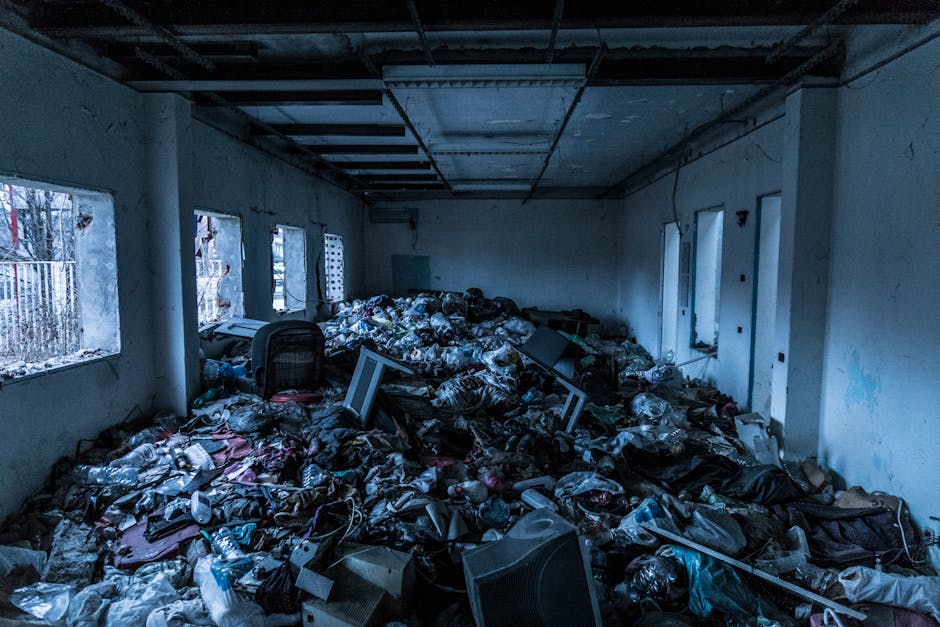
If you are trying to clear an office today, you usually are not in a calm, leisurely mood. Maybe a lease has ended sooner than expected. Maybe a refurb crew is due in by 8 a.m. tomorrow. Or maybe there is simply too much old furniture, paperwork storage, and general clutter standing between you and a workable space. Whatever the reason, same-day office clearances in Waltham Forest for businesses are about speed, control, and keeping your working day from turning into chaos.
This guide explains what a same-day clearance actually involves, who it suits, how the process usually runs, what to ask before booking, and the practical mistakes that can cost time. You will also find a checklist, a comparison table, and a few plain-English notes on compliance and best practice. Straightforward, useful, no fluff. Let's face it, that is what most business owners need on a day like this.
Why same-day office clearances in Waltham Forest for businesses matter
Office clearances sound simple on paper: remove unwanted items, tidy the space, leave it ready for the next stage. In real life, businesses tend to discover that the "unwanted items" are the least tidy part of the building. Desks are mixed with cables, filing cabinets hide awkward contents, and old chairs somehow multiply when nobody is looking.
For businesses in Waltham Forest, same-day clearance matters because delays can ripple into everything else. A late handover can affect a lease exit, a fit-out programme, staff access, client appointments, or even your landlord's goodwill. If you are moving between premises, one lost day can become a messy domino effect. And in a busy London borough, space itself is money. Every hour a room is unusable has a cost, even if nobody writes it down.
There is also the human side. When a work area is overcrowded, staff feel it. They move slower, boxes get stacked in odd places, and important items can vanish into the clutter. A quick clearance helps bring order back fast. Not perfect, not magical, just usable again. That is often enough.
Businesses also value same-day services when they need to react to something unexpected: an urgent office downsizing, a sudden tenant change, a broken piece of reception furniture, or an end-of-quarter clean-out that has got a bit out of hand. In those moments, speed is not a luxury. It is the whole point.
Expert summary: same-day office clearance is best thought of as a rapid reset for your workspace. The real value is not only in removal, but in how quickly it gets your business back to normal, or at least back to functioning.
If your clearance forms part of a broader business waste plan, it may also help to look at business waste removal and broader waste removal support so the same problem does not keep returning every few weeks.
How same-day office clearances in Waltham Forest for businesses works
Most same-day clearances follow a fairly practical pattern. The exact details vary by provider, access conditions, and how much needs taking away, but the overall flow is usually similar.
1. You describe what needs clearing
Start by explaining the size of the job. That includes office furniture, shelving, computer-related waste, archive boxes, bulky items, reception furniture, old stock, or mixed waste from a refurbishment. The more clearly you describe the job, the easier it is to plan a realistic arrival window and vehicle size.
If you leave out key details, the job may still be possible, but the team may need to split it into more than one run. That is the sort of surprise nobody enjoys at 2 p.m.
2. Access is checked
Office clearances often depend on access more than anything else. Is there a lift? Are there parking restrictions? Is the office on an upper floor? Can a van load close to the entrance, or will items need to be carried through a corridor or stairwell? Small access details can make a big difference to speed.
3. The clearance plan is agreed
Same-day work usually needs a quick, clear plan. Which rooms are included? What stays? Who will authorise the removal? Are there items with confidential or sensitive information? A tidy plan keeps the team moving and reduces the risk of removing something that should have stayed.
4. Items are removed, sorted and loaded
Once on site, the team will usually separate reusable items, recyclable materials and general waste where possible. In a business environment, this often means handling office desks, swivel chairs, cabinets, meeting tables, printers, monitors, archive materials and odd bits of furniture that have outlived their usefulness. The van fills up fast. Office stuff has a habit of looking smaller than it is.
5. The site is left ready for the next step
A good same-day clearance should leave the area swept through and ready for whatever comes next: cleaning, refurbishment, handover, or staff return. If needed, ask about follow-up support and whether the job can include related items such as broken furniture disposal through furniture disposal or more general furniture removal via furniture clearance.
Key benefits and practical advantages
Speed is the headline benefit, obviously. But the practical advantages go further than that.
- Less disruption: your team can keep working around a cleared space instead of navigating piles of items.
- Faster handovers: useful when a lease ends, a landlord inspection is due, or a new tenant is waiting.
- Better use of labour: your staff do not waste hours shifting heavy items they were never meant to handle.
- Reduced stress: there is a strange but real relief when the clutter goes in one go.
- Cleaner working conditions: the office feels safer, tidier, and easier to manage.
- More control over timing: same-day booking can fit around your business rather than forcing a long wait.
There is also a commercial upside. In many offices, the cost of delaying a clearance is higher than the cost of booking it quickly. If the room is needed for desks, storage, or incoming works, then a fast turnaround may save more than it spends. That is the part people sometimes miss.
And let us be fair: no one wants a pile of redundant chairs sitting under strip lighting for another week. It drains the place a bit.
Who this is for and when it makes sense
Same-day office clearance is not for every situation. Sometimes a planned clearance makes more sense. But when timing is tight, it is often the right call.
It is a strong fit for:
- Offices moving out at short notice
- Businesses downsizing after a team restructure
- Landlords or managing agents preparing for a new occupier
- Fit-out teams needing an empty shell quickly
- Companies clearing old desks, cabinets, and mixed office furniture
- Retail or commercial premises with a back-office area that has become overcrowded
- Start-ups taking over a premises and needing the old stock removed first
It may also make sense when:
- you have a last-minute inspection
- you need to make space after equipment upgrades
- old furniture is blocking health and safety access routes
- you want to remove a mix of office and light business waste in one visit
If the project is more than office-related, some businesses also combine it with builders waste clearance where minor strip-out debris is involved. That said, it is worth checking what is and is not included before the team arrives. Mixed loads are fine when planned, awkward when not.
Step-by-step guidance
If you want the smoothest possible same-day clearance, a little preparation goes a long way. Here is the version that tends to work well in practice.
- List everything that needs removing. Do a quick walk-through room by room. Note desks, chairs, cupboards, files, whiteboards, packaging, IT equipment and anything bulky.
- Separate what must stay. This sounds obvious, but it is the step people rush. Keep laptops, paperwork, chargers, access cards and anything legally or commercially sensitive well away from the clearance pile.
- Check access and parking. Measure corridors if the office is tight, and think about where a vehicle can stop safely. In some parts of Waltham Forest, parking arrangements can make or break timing.
- Flag fragile or sensitive items early. Monitor screens, glass tables, company documents, locked cabinets and electronics need a bit of care.
- Confirm the timing. Same-day means the day, but it still helps to agree a realistic arrival window and finish expectation.
- Ask how the waste will be handled. Reuse, recycling and responsible disposal should not be an afterthought.
- Have someone available to sign off on-site. A quick decision-maker saves a lot of back-and-forth. One absent manager can slow the whole thing down. Happens all the time.
A useful habit is to create a single point of contact for the job. Even in a small office, too many voices can muddy simple decisions. One person, one plan. Nice and clean.
Expert tips for better results
These are the kinds of details that make a clearance faster and less stressful. Nothing flashy. Just the stuff experienced teams notice immediately.
Keep walkways clear before the team arrives
If items are stacked against the furniture you want removed, the job becomes slower and more awkward. Clear a path where you can. It saves time and reduces the risk of bumps or scrapes.
Group items by type
Put desks together, chairs together, and small loose items together. It sounds minor, but it helps the clearance move in a rhythm. Once the loading starts, rhythm matters.
Identify anything with data risk
Paper records, storage drives, filing cabinets and old IT devices can contain sensitive information. If that material needs separate handling, say so up front. Better a slightly longer conversation than an expensive mistake.
Ask for clarity on reusable items
Some furniture may be suitable for reuse, while some is simply at the end of the road. If you are trying to reduce waste, ask how items are sorted and whether anything can be directed toward recycling or responsible reuse through the provider's recycling and sustainability approach.
Book around staff movement
If possible, schedule the clearance when the office is quieter. Early starts or end-of-day clearances often work better than squeezing it into the middle of a crowded work period. You will notice the difference straight away.
Take photos before and after
This is not just for peace of mind. It can help with internal records, landlord handover, and team sign-off. A simple before-and-after record often answers questions later.
And yes, it is a bit annoying to take photos of an office full of old chairs. But then again, nobody said facilities work was glamorous.
Common mistakes to avoid
Same-day clearance is quick, which means small mistakes can have bigger consequences. The good news? Most are easy to prevent once you know what to watch for.
- Not checking access first: stairs, lifts, loading bays and parking restrictions can delay the job.
- Mixing keep and remove items: this is the classic problem. A single wrongly labelled cabinet can cause a headache.
- Leaving sensitive documents in the clearance area: always double-check storage, drawers and boxes.
- Underestimating volume: offices generate more waste than people expect, especially when furniture is involved.
- Assuming everything can go in one load: sometimes it can, sometimes it cannot. It depends on access and volume.
- Forgetting about disconnection: monitors, printers and other equipment may need to be safely unplugged before removal.
- Not agreeing who can authorise changes: if nobody has decision-making authority on site, work slows down quickly.
A lot of business owners think the difficult part is the lifting. Usually, it is the planning. The lifting is the easy bit when the prep is right.
Tools, resources and recommendations
You do not need specialist software to organise a same-day office clearance, but a few simple tools can make the process much easier.
Useful things to have ready
- A floor plan or rough room list
- A clipboard or note app for room-by-room decisions
- Labels or tape for items that must stay
- Photos of problem areas, access points and stairs
- Contact details for the site decision-maker
- Any building rules relating to loading, lift use or security check-in
Recommended questions to ask before booking
- Can the clearance be completed the same day?
- What information do you need from me to confirm the job?
- How do you handle office furniture, paperwork and mixed items?
- Do you provide evidence of insurance and safety arrangements?
- How do you manage recycling and disposal?
- What happens if the job turns out to be larger than expected?
If you want to compare pricing and what is likely to be included, it is sensible to review pricing and quotes before the day arrives. Clear pricing does not remove every surprise, but it reduces the bad ones.
You can also learn more about the company background via about us if you prefer to work with a provider whose approach and values are spelled out in plain English. Helpful, not flashy. Usually the better sign.
Law, compliance, standards and best practice
Office clearance touches on a few compliance areas, so it is worth treating it seriously. This is not about sounding dramatic; it is about avoiding avoidable problems.
In the UK, businesses have duties around safe working practices, responsible waste handling and the proper treatment of items that may contain confidential information or electrical components. Exact requirements depend on your circumstances, your lease, the type of waste involved, and any building rules in place. For that reason, it is wise to ask practical questions rather than assume everything is routine.
Some useful best-practice points include:
- Use a provider with proper insurance: this matters if items are being carried through shared areas or removed from upper floors. You can review the provider's insurance and safety information if available.
- Check health and safety procedures: safe lifting, route planning and site awareness should be standard. A decent provider should be happy to talk through its health and safety policy.
- Protect confidential material: paper files, hard drives and archive storage should not be left casually mixed with ordinary waste.
- Keep records where needed: if the office handover is sensitive, retain photos, sign-off notes and any job confirmation paperwork.
- Clarify disposal expectations: if you care about recycling, reuse or diversion from landfill, ask for a clear explanation of how the waste stream is managed.
If your business also has a formal complaints route or internal approval process, it helps to know the provider's own process too. A company that explains its complaints procedure and terms and conditions clearly is usually easier to deal with if anything unusual crops up. Not because trouble is expected, just because clarity is good business.
Options, methods, and comparison table
Businesses usually have three broad ways to clear an office. The right option depends on urgency, staff capacity, and how much handling is involved.
| Option | Best for | Pros | Limitations |
|---|---|---|---|
| Same-day professional office clearance | Urgent moves, handovers, emptying rooms fast | Quick, coordinated, minimal disruption | Needs access, planning and availability |
| Planned office clearance | Non-urgent projects with lead time | More time to organise, often easier to schedule | Not suitable when deadlines are tight |
| In-house clearing by staff | Very small jobs or low-risk items | Can seem cheaper at first | Consumes staff time, manual handling risk, slower overall |
In reality, many businesses mix methods. They may remove personal items and documents themselves, then book a team for furniture and bulk waste. That can work well, as long as there is no confusion about who is handling what.
For offices with substantial furniture, a dedicated office clearance service is usually easier than treating it like a standard tidy-up. Chairs and desks are just not the sort of thing you want staff dragging through a reception area at lunchtime.
Case study or real-world example
Picture a medium-sized agency in Waltham Forest that has to vacate a second-floor office by the next afternoon. The team has already packed laptops and personal items, but the meeting room still contains a table, six chairs, two cabinets, and a stack of archived boxes that nobody wants to think about anymore.
The manager calls in the morning. The main pressure point is access: the lift is small, the corridor is narrow, and the landlord wants the space empty before a final inspection. After a quick walk-through, the items are grouped by room, the keep list is confirmed, and the clearance starts the same day.
What made the difference was not just the removal itself. It was the preparation. One person was assigned to answer questions. Parking was checked in advance. Sensitive papers were separated from the general load. By late afternoon the office was stripped back, lighter, and ready for cleaners.
That kind of result is common when the job is organised properly. Not glamorous, but satisfying. You can almost hear the room breathe again when the last bulky item is gone.
Practical checklist
Use this before your same-day booking to keep the process tight and manageable.
- Confirm what needs removing and what must stay
- Identify all access points, stairs, lifts and loading areas
- Check parking or waiting restrictions near the building
- Separate confidential files and data-bearing devices
- Label items that are not to be touched
- Prepare a single on-site decision-maker
- Take photos of the space before work begins
- Ask about insurance, safety and disposal handling
- Confirm whether furniture, mixed waste and office waste can all be collected together
- Review pricing and timings before the team arrives
- Keep hallways and exits as clear as possible
- Plan for cleaning or handover after the clearance
If you are clearing a broader mix of items from around the premises, it can also help to look at related services such as flat clearance, house clearance, or home clearance if the business premises include residential-style spaces, staff flats, or mixed-use areas. And for leftover heavy items that are mainly furniture, furniture clearance can be a useful reference point.
Conclusion
Same-day office clearances in Waltham Forest for businesses are about more than simply getting rid of old desks. They help you protect timelines, reduce stress, keep people moving, and hand over a clean, workable space without the usual faff. When time is tight, that kind of service can genuinely save the day.
The best results come from clear instructions, realistic expectations, and a provider that treats safety, access, and disposal properly. If you prepare well, the job feels far less disruptive than people expect. Almost neat, even. Well, as neat as a office clearance can be.
Get a free quote today and see how much you can save.
And if you are still at the stage of comparing options, it is worth spending a few quiet minutes on the details now. Future-you, standing in a cleared room with the job done, will be very pleased you did.
Frequently Asked Questions
How fast can a same-day office clearance usually happen?
It depends on access, volume and how quickly the key information is shared. If the office is straightforward and the provider has capacity, same-day work can often be arranged quickly. The main thing is to be precise about what needs removing and whether the site can be accessed without delay.
What kinds of items are usually removed from offices?
Typical items include desks, office chairs, filing cabinets, shelving, reception furniture, printers, monitors, boxed paperwork, packaging and general business waste. Some providers also handle mixed loads, but it is sensible to check in advance if your clearance includes unusual or heavy items.
Can confidential paperwork be cleared on the same day?
It can be, but you should separate confidential files from the rest of the clearance and explain what needs special handling. If records may contain sensitive business or personal information, do not leave them mixed in with ordinary waste. That is asking for trouble, frankly.
Is same-day office clearance more expensive than booking ahead?
Often, urgent bookings can cost more because they require fast scheduling and immediate resources. That said, the price should be weighed against the cost of delay, missed handovers, or staff time spent doing the job in-house. Comparing pricing and quotes carefully is usually the sensible move.
Do I need to be on-site during the clearance?
Usually, yes, at least for the start of the job and for sign-off. Having one person on site who can answer questions makes the process much smoother. If nobody is available, even a simple clearance can stall while decisions are made remotely.
What should I prepare before the team arrives?
Separate keep items from remove items, clear walkways, check access and parking, and identify any sensitive documents or equipment. A few minutes of prep can save a lot of time later. Honestly, this is where most jobs go right or wrong.
Can office clearance include recycling?
Yes, responsible providers should sort items for reuse, recycling or proper disposal where possible. If sustainability matters to your business, ask how materials are handled and whether the provider can explain its recycling process clearly.
What if the office has awkward access or narrow stairs?
That does not automatically rule the job out, but it should be discussed before booking. Narrow stairwells, small lifts and restricted parking can affect timing and team size. The more honest the access information, the better the outcome.
Is office clearance the same as business waste removal?
They overlap, but they are not exactly the same. Office clearance usually refers to removing furniture, fixtures and bulky contents from a workspace. Business waste removal can be broader and may include recurring waste streams or mixed commercial rubbish. If you need both, it may be worth looking at business waste removal alongside clearance.
What happens after the items are taken away?
Once removed, items should be sorted according to their type and handled in line with the provider's disposal process. Reusable items may be diverted for reuse, while recyclable and non-recyclable materials are processed accordingly. The exact route depends on the items and the service agreement.
Can same-day clearance help with office moves and refurbishments?
Absolutely. In many cases, that is exactly why it is booked. An office move, refit or end-of-lease handover often needs the space cleared quickly so other trades can get in. If the timing is tight, same-day help can remove a lot of pressure.
How do I know the provider is trustworthy?
Look for clear explanations of safety, insurance, pricing, terms and disposal handling. You can also review pages like insurance and safety, health and safety policy, and terms and conditions to judge how transparent they are. Trust usually shows itself in the small practical details.
Where should I go next if I want to book?
If you are ready to move ahead, start by gathering a quick room list, noting access details, and checking the provider's pricing information. If you still need background on the company, the about us page is a useful place to begin. And if you prefer to ask questions directly, use the contact page when you are ready. Simple as that.