Flat clearance pricing: quotes for E17, E10 and E4 postcodes
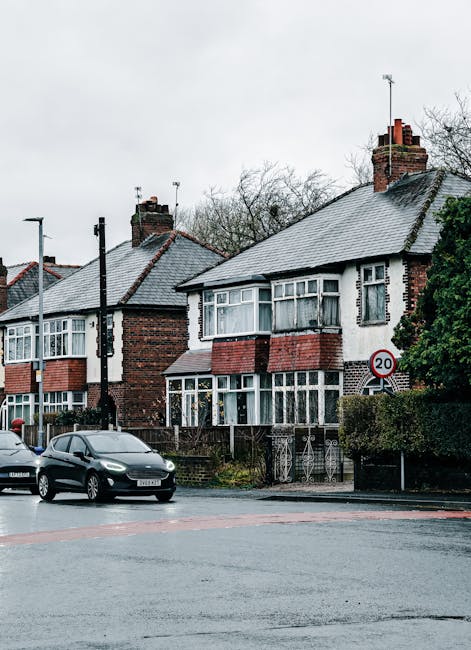
If you are comparing flat clearance pricing: quotes for E17, E10 and E4 postcodes, you are probably trying to do two things at once: clear a property properly and avoid paying for guesswork. Fair enough. No one wants a vague price that changes the moment the team sees a lift, a narrow stairwell, or a pile of heavy furniture by the front door.
This guide breaks down how flat clearance quotes usually work in Waltham Forest and the surrounding East London postcodes of E17, E10 and E4. You will get a clear view of what affects the cost, how to compare quotes sensibly, what to check before you book, and how to avoid the usual traps. It is written for real life, not brochure life.
And yes, location matters. Not because the postcode magically changes the work, but because access, parking, floor level, building type, and item mix often do. A third-floor walk-up in E10 is a different job from a ground-floor flat in E4 with easy loading. That part gets overlooked far too often.
Table of Contents
- Why pricing for E17, E10 and E4 matters
- How flat clearance quotes are worked out
- Key benefits and practical advantages
- Who this is for and when it makes sense
- Step-by-step guidance
- Expert tips for better results
- Common mistakes to avoid
- Tools, resources and recommendations
- Law, compliance, standards and best practice
- Options and comparison table
- Case study or real-world example
- Practical checklist
- Conclusion
- Frequently asked questions
Why Flat clearance pricing: quotes for E17, E10 and E4 postcodes Matters
Flat clearance is one of those jobs that looks simple until you are standing in the hallway with a sofa that will not quite turn the corner. Pricing matters because the quote needs to reflect the real effort involved, not a guess based on a postcode and a photo of one chair.
In E17, E10 and E4, property layouts can vary a lot. You get purpose-built blocks, maisonettes, converted houses, estate flats, and older buildings with tight access. That changes the labour, the time on site, and sometimes the transport planning. If a quote ignores those details, it is usually too vague to trust.
It also matters for timing. A clear, itemised quote helps you decide whether you need a full flat clearance, a partial furniture removal, or a broader home clearance style service. That distinction can save money and reduce the amount of disruption on the day.
For landlords, managing agents, executors, and homeowners under time pressure, pricing clarity is more than convenience. It helps avoid delays, disputes, and awkward surprises when the team arrives and discovers there is more work than expected. Truth be told, that is where most bad experiences begin.
A good quote should answer a few simple questions:
- What is being removed?
- How much labour is involved?
- Is access straightforward or awkward?
- Are there any items that need special handling?
- What happens if the inventory changes on the day?
That is the difference between a proper quote and a rough stab in the dark.
How Flat clearance pricing: quotes for E17, E10 and E4 postcodes Works
Most flat clearance quotes are built around a few practical variables. You do not need to become a waste logistics expert, thankfully. But it helps to know what the assessor is actually looking at.
1. Volume of items
The bigger the load, the higher the price tends to be. A couple of wardrobes and a bed frame is one thing. A full one-bedroom flat packed with furniture, bags, small appliances, boxes, and loose bits in the cupboard under the sink is another. Even when items look small, they can add up quickly.
2. Access and carry distance
This is a huge factor. Ground floor with parking nearby? Great. Fourth floor, no lift, tight staircase, and a long walk to the vehicle? That takes more time and labour. In East London, parking can also be part of the equation, especially if loading is awkward or restricted. The quote should reflect that fairly.
3. Type of items
General household items are usually straightforward. Heavy wardrobes, white goods, awkward sofas, gym equipment, or bulky furniture can change the price because they need more people or more care. If you are also dealing with unwanted items in storage areas, the job may begin to look more like a combined furniture clearance and flat clearance rather than a simple one-room pickup.
4. Sorting requirements
Sometimes a flat is already bagged and ready. Sometimes everything is mixed together, and the team has to sort, separate, and identify what can be removed. That extra handling can matter. A tidy, well-prepared flat is often cheaper to clear because it reduces the on-site time.
5. Disposal route and recycling
Responsible companies will factor in sorting, reuse, recycling, and disposal costs. If an item can be reused or recycled, that may affect the final cost positively. A reputable provider should explain the handling approach clearly, especially where recycling and sustainability are part of the service promise.
6. Area-specific logistics
Although E17, E10 and E4 are all in the same broad part of London, the building stock and access patterns differ. A quote for a lower-ground flat in one postcode might look very different from a loft-style apartment in another. The postcode alone does not set the price; the property details do the real work.
In practice, a proper quote process usually starts with a short phone call, a few photos, or a written description. Then the company estimates the labour, transport, and disposal requirements. If you want a more structured pricing conversation, the pricing and quotes page is a sensible place to look before you book anything.
Key Benefits and Practical Advantages
Clear pricing is not just about saving a few pounds, though that is obviously nice. It also makes the whole clearance process calmer. And calm is underrated when you are trying to empty a flat with a deadline looming.
- Less uncertainty: You know what kind of cost range to expect before anyone arrives.
- Better planning: You can coordinate keys, access, parking, and timing with less stress.
- Faster decisions: A clear quote helps you decide whether to clear everything or only selected items.
- Reduced risk of disputes: If the scope is clear, there is less room for awkward changes later.
- Better value: You can compare like-for-like rather than comparing one vague estimate against another vague estimate. Not ideal, that.
There is also a practical benefit for estate and probate situations. When a property needs to be emptied quickly, a dependable quote helps everyone move faster. The same applies to landlords between tenancies, or owners preparing a flat for sale or refurbishment.
If you are clearing several rooms, loft areas, or storage spaces at once, the quote can often be shaped around a broader service too, such as house clearance or loft clearance. Sometimes that is the cleaner, more cost-effective route.
Who This Is For and When It Makes Sense
Flat clearance quotes for E17, E10 and E4 make sense for anyone who needs a property cleared in a controlled, responsible way. The reasons vary, but the pressure often feels the same.
- Tenants moving out: Especially when the flat has leftover furniture or bulky items that will not fit in a car.
- Landlords and letting agents: When a property needs to be reset quickly between occupiers.
- Homeowners downsizing: If you are reducing belongings and want to keep only what matters.
- Executors and families: When a flat needs careful clearing after a bereavement.
- Investors and developers: Before refurbishment or resale.
- People dealing with clutter: Because sometimes life just gets ahead of you. Happens to the best of us.
A flat clearance is especially sensible when you have more than one category of item to deal with. For example, a mix of furniture, broken small appliances, bagged household waste, and a few awkward leftovers. In those cases, a specialist service such as furniture disposal may be part of the job, but the quote still needs to cover the wider clearance picture.
It also makes sense when the property condition is sensitive. For instance, if you need the flat left broom-clean, or if the building has particular access rules. Those little details matter more than people expect.
Step-by-Step Guidance
If you want a quote that feels fair and realistic, the key is to give enough detail without overcomplicating things. Here is a simple way to do it.
- List what needs removing. Write down the main items first: sofa, bed, mattress, wardrobe, boxes, white goods, bags, and anything stored in cupboards or on the balcony.
- Note the floor and access. Is it ground floor, top floor, or somewhere in between? Is there a lift? How far is the parking from the entrance?
- Flag awkward items. Heavy cabinets, disassembled furniture, mirrors, glass tables, or anything that needs extra care should be mentioned early.
- Be honest about volume. A quick photo is often better than a rushed estimate in words. The phrase "it's just a few bits" can be... optimistic.
- Ask what the quote includes. Check whether labour, loading, disposal, recycling, and VAT are included if relevant.
- Confirm the clearing standard. Ask whether the flat will be left tidy, swept, or ready for handover. That can save a second visit.
- Arrange access details. Keys, concierge rules, timed entry, parking, and lift booking should all be sorted before the day.
A realistic quote is almost always the result of a realistic brief. If the provider knows the layout, the load, and the access, they can price it properly. If they do not, you are both taking a gamble.
Expert Tips for Better Results
Small choices can make a big difference to price and speed. In our experience, the best jobs are the ones where the customer has already thought like a site manager for ten minutes. Nothing too dramatic. Just enough to make the day smooth.
- Group items before quoting: Put similar things together so the workload is easier to judge.
- Remove personal items first: This protects privacy and avoids delays while the team checks what should stay.
- Send photos in daylight: Natural light makes volume and condition easier to assess. Evening flash photos are... not great.
- Share building rules early: If there are porter hours, parking restrictions, or lift booking requirements, say so at the start.
- Ask about mixed-clearance options: If the flat also contains furniture, loft storage, or garage overflow, it may be cheaper to combine tasks.
- Check the disposal approach: A provider should be able to explain how reusable and recyclable items are handled.
One practical tip that gets overlooked: keep a small "do not remove" zone. It sounds obvious, but when a flat is crowded, a clearly marked corner or room can prevent mistakes. A bit of masking tape and one note on the door can save a headache later.
If your clearance includes office-style items, filing cabinets, desks, or IT-related clutter, it may be worth asking whether a separate office clearance approach is more appropriate for that section of the job. Mixed properties often need mixed thinking.
Common Mistakes to Avoid
Most problems with flat clearance pricing come from bad information, rushed decisions, or assuming every provider quotes the same way. They do not.
- Assuming the cheapest quote is best: A low price can hide exclusions, delays, or extra labour charges.
- Underestimating access issues: Stairs, parking, and narrow hallways can change the real workload.
- Forgetting about extra rooms or storage: Cupboards, balconies, sheds, loft areas, and communal stores often get missed.
- Not asking what happens if the job is bigger than expected: Agree how variations will be handled before the team arrives.
- Leaving sorting until the last minute: Mixed items slow everything down and can add cost.
- Ignoring disposal standards: A proper clearance should be arranged responsibly, not treated like a mystery van service.
The biggest mistake, honestly, is treating a clearance like a race to the bottom on price. You want value, yes. But you also want reliability, proper handling, and a service that does not leave you chasing loose ends at 7pm on a Friday.
Tools, Resources and Recommendations
You do not need special equipment to get a good quote, but a few simple tools help a lot. Nothing fancy. Just practical bits that make the process easier for everyone.
- Phone camera: Take clear photos of each room, cupboard, and access point.
- Room-by-room list: A short written inventory helps prevent omissions.
- Rough floor plan or notes: Useful if the flat has unusual access or split levels.
- Measurements for large items: Especially useful for wardrobes, beds, sofas, and appliances.
- Keys and entry instructions: If the team cannot get in on time, the day gets longer and pricier.
For background on how a provider approaches service standards, you can also look at about us, insurance and safety, and health and safety policy. Those pages help set expectations around how work is handled, which is reassuring when you are booking something practical and time-sensitive.
If you want to understand payment handling before confirming a booking, the payment and security page is worth a look. Small detail, but important.
Law, Compliance, Standards, or Best Practice
Flat clearance is not just about lifting and loading. There is a responsible side to it as well. In the UK, waste must be handled properly, and customers should expect any clearance provider to follow sensible legal and environmental best practice.
Without turning this into a legal lecture, the main point is simple: your clearance should be arranged by a provider that understands proper waste handling, duty of care, safe handling of items, and the importance of recycling where possible. If a company cannot explain where the waste goes in plain English, that is a red flag.
Best practice usually includes:
- keeping clear records of the job and what is removed;
- sorting reusable and recyclable items where practical;
- protecting people, property, and access routes during removal;
- being honest about exclusions and extra charges;
- following building rules and local access requirements;
- using appropriate insurance and safe working methods.
If sustainability matters to you, ask about the disposal route before booking. A responsible provider should be able to explain whether certain materials are separated for reuse, recycling, or disposal. The process will vary from job to job, but transparency should not.
For anyone booking a clearance in a managed block or shared building, building rules matter too. Hallway protection, lift use, quiet hours, and parking permissions can all affect how the job is delivered. A good company will respect that without making it your problem.
Options, Methods, or Comparison Table
There is more than one way to tackle a flat clearance. The right option depends on how much you need removed, how quickly it needs to happen, and whether the items are scattered or already organised.
| Option | Best for | Pros | Watch out for |
|---|---|---|---|
| Full flat clearance | Entire property emptied | Fast, tidy, straightforward end result | Needs clear access and detailed scope |
| Partial clearance | Only selected rooms or items | Can be cheaper and more flexible | Easy to miss items if the list is not precise |
| Furniture-only removal | Large items and bulky pieces | Simple if the flat is otherwise tidy | May not cover bagged waste or mixed clutter |
| Combined clearance | Furniture, general waste, and overflow items | Efficient when several jobs overlap | Quote needs to reflect the full workload |
To be fair, many flats in E17, E10 and E4 do not fit neatly into one box. You might need a clearance that starts as furniture removal and ends up involving cupboards, hallway bits, and a very determined broken dining chair. That happens. A flexible quote is usually the better choice.
Case Study or Real-World Example
Imagine a two-bedroom flat in E17 with a lift, but the lift is small and shared with several residents. The flat contains a bed, mattress, wardrobe, sofa, coffee table, a few bags of mixed household items, and a broken TV unit. The customer wants it cleared before new tenants arrive.
At first glance, it sounds like a quick job. But the access matters. The lift is usable, though slow. Parking is close, but only within a limited loading window. There are also a couple of awkward items that need careful handling so the communal hallway walls are not marked.
In that kind of situation, a good quote would usually reflect:
- the number and size of bulky items;
- the time needed to move items safely through shared access;
- the loading and parking conditions;
- the mixed nature of the contents;
- whether the flat needs a final sweep or tidy finish.
Now compare that with a ground-floor flat in E4 where most items are already bagged and a few pieces of furniture are stacked by the entrance. Same city, same general service, very different workload. That is why postcode-based flat clearance pricing needs context, not assumptions.
It is also why a decent assessor asks questions before quoting. Not because they are being difficult. Because they are trying to avoid the very thing customers dislike most: surprise extras later on.
Practical Checklist
Use this checklist before you request quotes. It keeps the conversation clean and usually improves accuracy.
- List all items to be removed, including storage areas.
- Note the postcode, floor level, and access type.
- Check whether there is a lift or only stairs.
- Confirm parking and loading options.
- Separate items that must stay.
- Take photos in good light.
- Measure the biggest items if you are unsure.
- Ask whether labour, disposal, and any extras are included.
- Clarify the finish standard: cleared only, swept, or ready for handover.
- Tell the provider about building rules, time limits, or access codes.
If you have multiple types of waste or bulky items mixed into the flat, it may also help to review waste removal information so you understand how the broader service is structured. Little bit of prep, big difference on the day.
Get a free quote today and see how much you can save.
Conclusion
Flat clearance pricing for E17, E10 and E4 should feel understandable, not mysterious. The postcode matters less than the real conditions: access, floor level, load size, item type, and the amount of handling required. Once you know that, comparing quotes gets much easier.
The best outcome is a quote that is clear, fair, and based on facts you can both stand behind. That gives you confidence, keeps the job moving, and avoids those awkward "we didn't realise" moments. Nobody needs more of those.
If you are planning a clearance soon, take ten minutes to gather photos, make a simple inventory, and note the access details. It is a small effort, but it often leads to a better price and a smoother day. And frankly, a smoother day is worth a lot.
When you are ready, choose a provider that explains things plainly, works carefully, and treats your property with respect. That is the sort of service that makes a stressful task feel manageable again.
Frequently Asked Questions
How are flat clearance quotes for E17, E10 and E4 usually calculated?
They are usually based on the volume of items, access conditions, floor level, labour required, and the type of waste or furniture being removed. A clear list and photos help the quote stay accurate.
Is a ground-floor flat always cheaper to clear?
Often, yes, because access is easier and the carrying distance is shorter. But the final price still depends on how much there is to remove and whether any items are especially heavy or awkward.
Do I need to sort everything before asking for a quote?
No, but some basic sorting helps a lot. If you can separate what is staying from what is going, the quote is usually more accurate and the job runs faster.
Can I get a quote from photos alone?
Yes, in many cases you can get a useful estimate from photos, especially if they are clear and show the full room or item pile. If access is unusual, though, extra details are still important.
What if the flat has no lift?
That may increase the cost because the team has more carrying to do. The number of flights, stair width, and item weight all matter, so it is best to mention that early.
Are furniture items priced differently from mixed household waste?
They can be. Bulky furniture may need more labour, while mixed waste can require more sorting and handling. If your clearance includes both, say so in the quote request.
Should I expect the flat to be left tidy?
That depends on the service agreed. Some clearances include a sweep-through, while others focus on removal only. Always confirm the finish standard before booking.
What is the best way to compare two quotes?
Compare like for like. Check what each quote includes, whether there are extra charges, what access assumptions were made, and whether disposal and labour are covered.
Do E17, E10 and E4 all price the same?
No. The postcode helps identify the area, but the price is driven by the actual job. Different buildings, access routes, and item mixes can change the quote quite a bit.
What if I discover more items on the day?
Tell the provider before the work starts if possible. A good company will explain whether the quote can be adjusted or whether the extra items need a separate charge.
Is flat clearance suitable for landlords and letting agents?
Yes. It is often a practical option when a property needs to be turned around quickly between tenancies. Clear access details and a firm scope help keep the process efficient.
How do I know the clearance is being handled responsibly?
Ask how items are separated, reused, recycled, or disposed of, and look for clear, straightforward explanations. You can also review company information such as recycling and sustainability and terms and conditions to understand the service approach.